
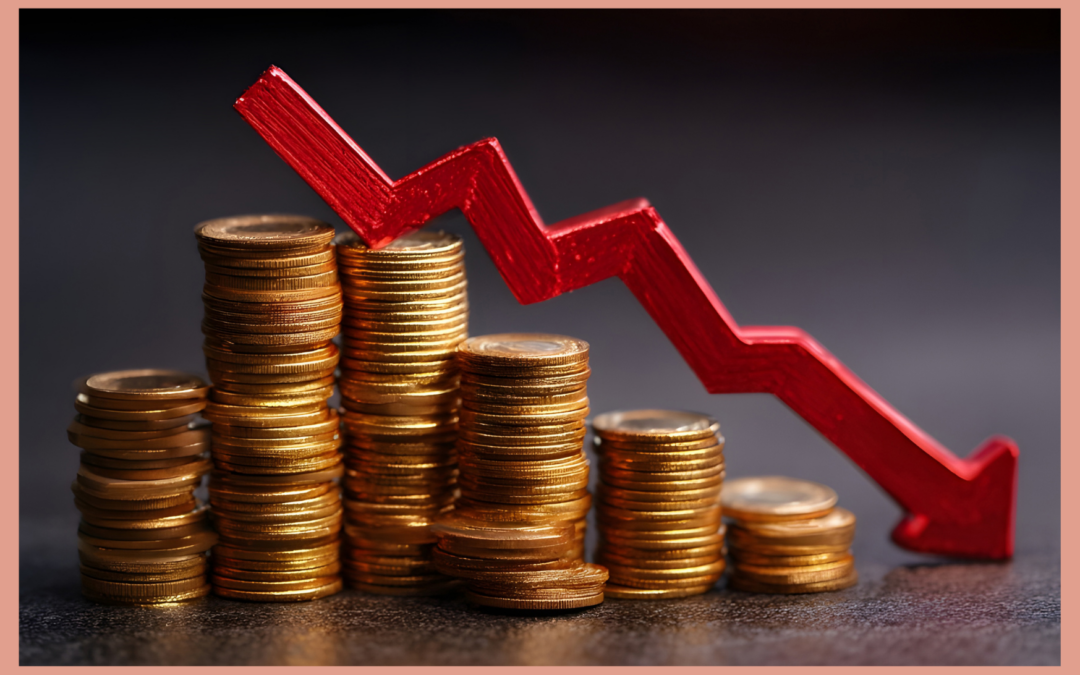
The hidden risk of holding too much money in cash over the long term.
There is something incredibly comforting about cash.
You can see it. You know exactly how much you have. It doesn’t fluctuate from one day to the next, and it never appears to lose value overnight.
When markets become volatile or the headlines are filled with uncertainty, moving money into cash can feel like the safest decision we could possibly make.
The irony is that what feels safe in the short term isn’t always what is safest over the long term.
The Hidden Cost of Holding Cash
One of the greatest risks to our financial wellbeing isn’t necessarily losing money in the markets. It’s quietly losing purchasing power over many years.
Imagine leaving R1 million in cash for the next ten years. The balance may still show close to R1 million (plus interest), but what that money can buy may be significantly less than it does today.
Inflation works quietly. It doesn’t make headlines or trigger emotional reactions, yet over time it steadily erodes the buying power of our savings.
Because this happens gradually, we rarely notice it.
Why We Feel Safer with Cash
Behavioural economists refer to this as “loss aversion”. We tend to feel the pain of seeing the value of our investments fall far more intensely than we appreciate the gradual loss caused by inflation.
A temporary decline in an investment statement feels alarming. A slow reduction in purchasing power often goes unnoticed.
This is why many people become more comfortable with cash precisely when they should be thinking about the long term.
Cash Still Has an Important Place
Of course, cash has an important place in every financial plan.
Emergency funds, short-term spending needs, and money that will be required over the next year or two should generally not be exposed to unnecessary investment risk.
The challenge arises when we allow today’s uncertainty to influence decisions about money that may need to support us for the next twenty or thirty years.
I’ve often found that people don’t regret having some money in cash. They regret leaving too much there for too long.
Investing Is About Outpacing Inflation
The purpose of investing isn’t to avoid every market fluctuation. That simply isn’t possible.
Instead, it’s to give your money the opportunity to grow ahead of inflation over time while accepting that there will inevitably be periods of discomfort along the way.
Successful financial planning is rarely about finding an investment that never falls in value. It’s about building a strategy that can withstand life’s uncertainties without requiring us to react every time markets become unsettled.
True Financial Security Looks Beyond Today’s Bank Balance
Cash feels safe because its value appears stable.
But true financial security isn’t measured by the number you see on your bank statement.
It’s measured by what that money will still be able to do for you many years from now.
Before making any major financial decision, it’s worth asking yourself:
Am I choosing cash because it genuinely fits my financial plan, or because it helps me feel more comfortable in the current environment?
—oOo—
